Hydration and Electrolytes
Most people, most days, do not need an electrolyte drink. Water and normal salted food cover it. There are specific situations where that stops being true, and this page is about telling them apart.
When electrolytes actually matter
Sessions lasting beyond about ninety minutes, particularly in heat. Heavy sweaters, and you can usually tell because of salt crust on clothing or skin after training. Hot weather work or training. Illness involving vomiting or diarrhoea, where losses are large and fast. Endurance events where people drink large volumes of plain water over hours, which is the situation where dilutional hyponatraemia becomes a genuine risk.
A forty five minute gym session in a British spring is not on that list, and neither is a normal working day.
What is in them and why
Sodium is the one that matters most, because it is lost in the largest quantity in sweat and it drives fluid retention and thirst. Potassium is lost in much smaller amounts. Magnesium has authorised claims for normal muscle function and the reduction of tiredness and fatigue and is covered further in the vitamins and minerals range.
Sweat sodium concentration varies enormously between individuals, which is why generic advice is limited and why some people notice a large difference and others notice none.
Cramp
Exercise associated cramp is widely blamed on electrolytes and the evidence for that is mixed at best. Neuromuscular fatigue is at least as well supported as an explanation. If you cramp, electrolytes are worth trying, but they are not a guaranteed answer and nobody should sell them to you as one.
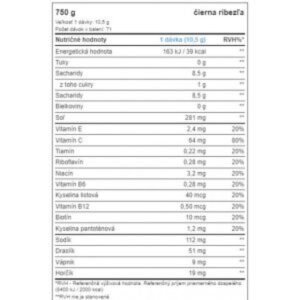
Every product here prints its sodium, potassium and magnesium content per serving so you can compare properly. The full shop has the rest.
Making your own
An electrolyte drink is not complicated chemistry. A litre of water, a good pinch of salt and a squeeze of fruit juice covers the sodium and some potassium for pennies, and for most training that is genuinely as good as a sachet. What you buy a product for is convenience, a measured dose you do not have to guess at, and a flavour you will actually drink when you are hot and tired. Those are legitimate reasons, and they are different from the product doing something a kitchen cannot.
Showing the single result