
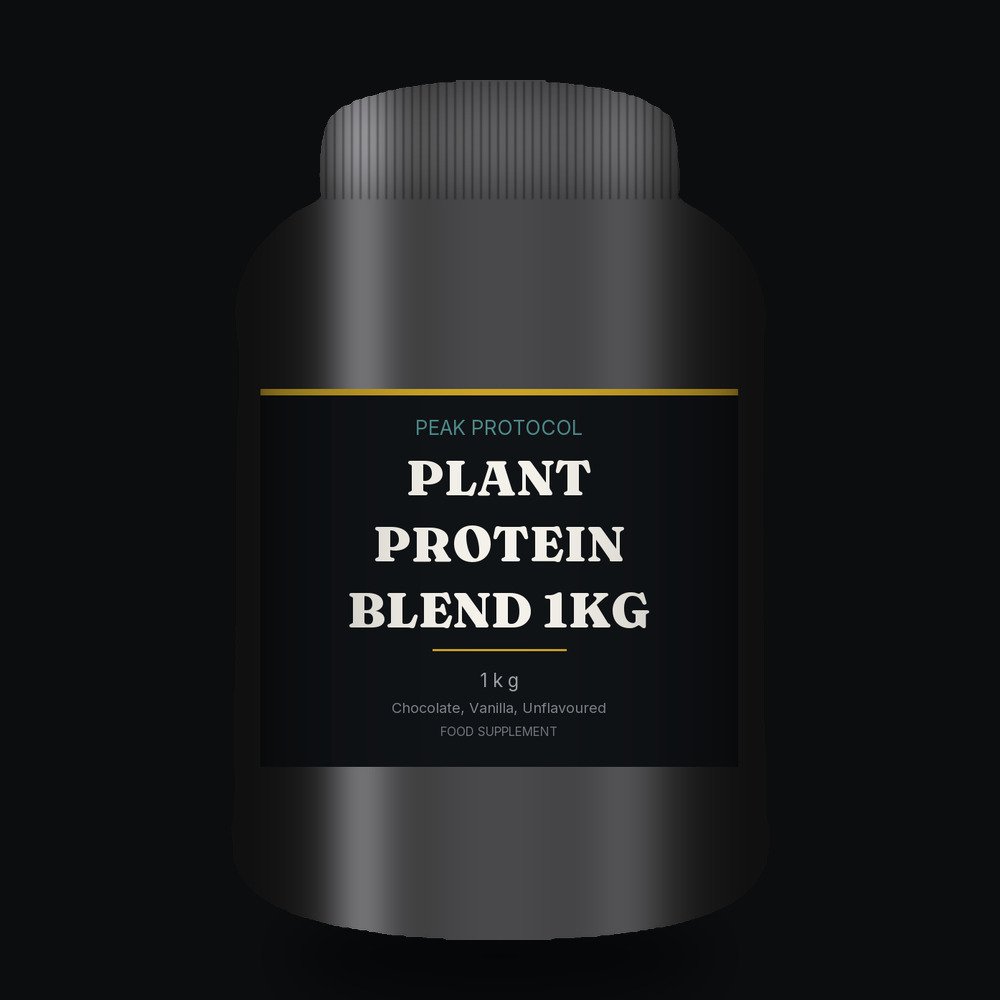
Plant protein blend 1kg at a glance
- Format: Powder
- Price: £32.99
- Who it is for: anyone avoiding dairy who wants a complete amino acid profile
- What it is not: Plant protein blend 1kg is a food supplement, not a medicine, and not an alternative to one.
Everything below sets out what plant protein blend 1kg does, what may lawfully be claimed for it in Great Britain, and who should not bother. We would rather lose the sale than overstate it. The full plant protein blend 1kg specification, price per serving and the alternatives worth considering are all further down this page.
Single source plant proteins each fall short on different amino acids, so we blend three.
Pea protein brings the lysine, brown rice covers the methionine that pea lacks, and pumpkin seed rounds out the profile and improves the texture considerably.
The result is a complete amino acid profile at 22g of protein per 30g serving.
Protein contributes to a growth in muscle mass and to the maintenance of muscle mass.
Naturally sweetened with stevia, no artificial colours, and free from dairy, soy and gluten.
Plant proteins are grittier than whey by nature.
Ours is milled fine to reduce that, but it will never be quite as smooth and we would rather say so.
On this page
- Plant protein blend 1kg at a glance
- Plant Protein Blend 1kg: dose, use and limits
- What plant protein blend 1kg actually does
- What we can and cannot claim about plant protein blend 1kg
- What the evidence says about plant protein blend 1kg
- Why this plant protein blend 1kg in particular
- Stacking plant protein blend 1kg without doubling up
- Who plant protein blend 1kg is for, and who should skip it
- What to expect from plant protein blend 1kg, week by week
- How to read the label on plant protein blend 1kg
- Plant protein blend 1kg: what you are actually buying
- Quality, testing and what you are trusting
- Ordering plant protein blend 1kg: delivery and returns
- How to take plant protein blend 1kg
- Common mistakes with plant protein blend 1kg
- Plant protein blend 1kg: common questions
- How plant protein blend 1kg compares with the alternatives
Plant Protein Blend 1kg: dose, use and limits
Plant Protein Blend 1kg is stocked because single source plant proteins each fall short on different amino acids, so we blend three.
Browse protein or read why what the evidence says about legal supplements. Background reading: NHS guidance on vitamins and minerals.
What plant protein blend 1kg actually does
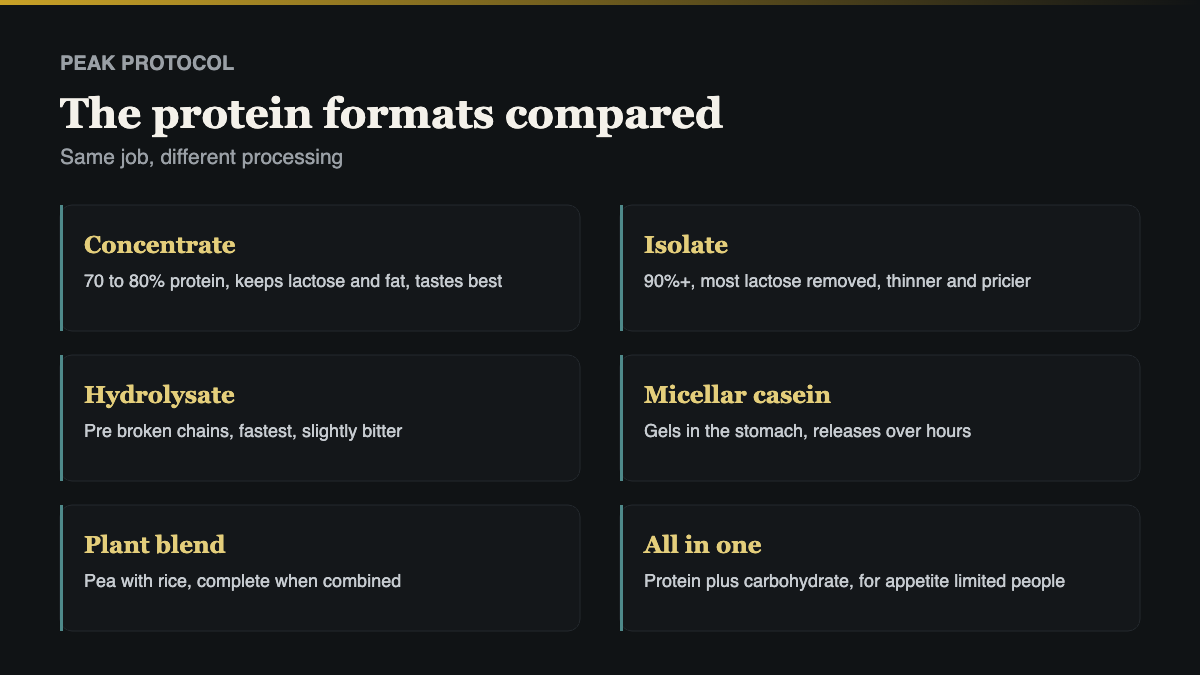
Plant proteins are blended for a reason. Pea protein is high in lysine and low in methionine; rice protein is the reverse. Put them together and the amino acid profile approaches that of a complete animal protein, which neither achieves on its own. That is why serious plant products are blends rather than a single source, and why a pea only powder at the same price is usually the weaker buy. The other honest difference is leucine: plant sources generally carry less per gram, so a slightly larger serving does the same job.
What we can and cannot claim about plant protein blend 1kg
What a supplement may claim in Great Britain is set by an authorised register, not by the seller. Here is exactly what may be said about this and what may not.
Protein contributes to a growth in muscle mass, to the maintenance of muscle mass and to the maintenance of normal bones, provided the product meets the regulatory definition of a source of protein. The source of the protein does not change which claims are authorised.

What the evidence says about plant protein blend 1kg
Here is where the research is solid and where it is thinner, stated plainly rather than selectively.
When total protein and leucine are matched, plant and whey protein produce comparable gains in muscle mass in trials. The qualifier matters: matched, which usually means a slightly larger plant serving. The older belief that plant protein is inherently inferior comes from studies using single sources at equal weight, which is not how good products are formulated.
Why this plant protein blend 1kg in particular
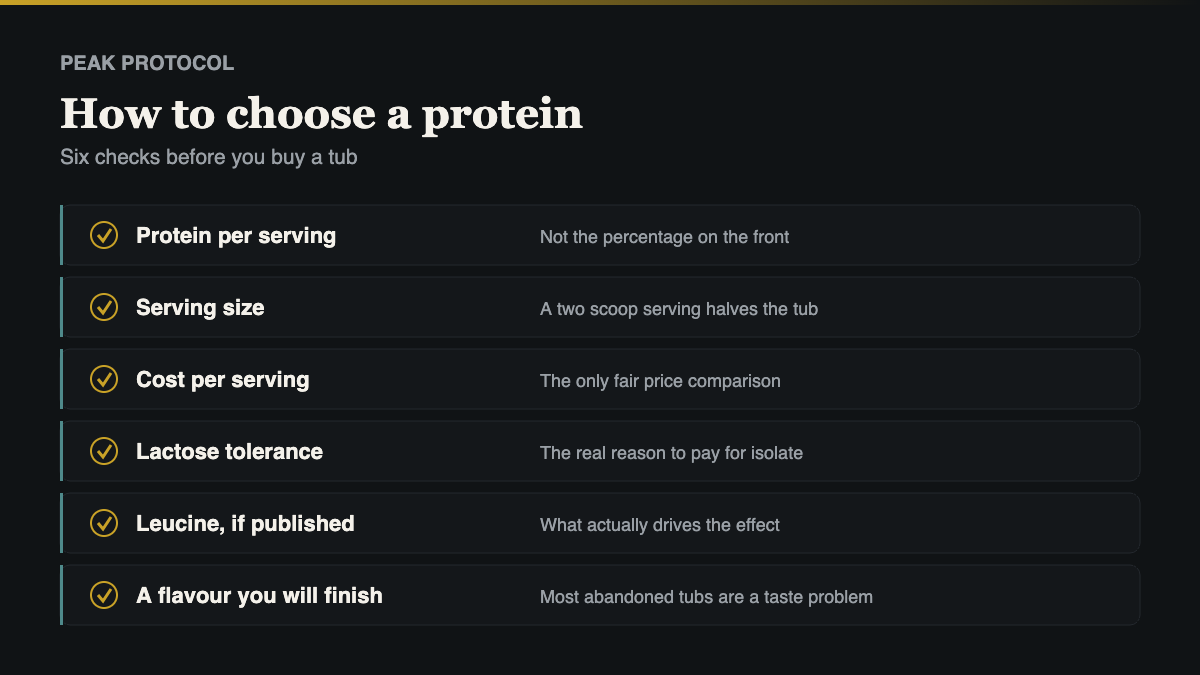
Look for a blend rather than a single source, and check the serving size. Plant proteins are frequently dosed slightly higher per serving to compensate for lower leucine density, which is a sensible formulation choice rather than padding.
It is a blend rather than a single source, and that is the whole design. Pea protein is short on methionine, rice protein is short on lysine, and putting them together covers both gaps in a way that neither manages alone. A pea only powder at a similar price is the weaker product however it is marketed, and this is the specific thing to check on any plant protein label.
Stacking plant protein blend 1kg without doubling up
What goes with this is a shorter list than any retailer would like. Line up the back panels of everything you take and look for repeated ingredients.
The risk is not usually danger, it is paying a premium for the same gram twice. Anything you cannot justify in a sentence probably does not belong in the stack.
Who plant protein blend 1kg is for, and who should skip it
Two groups should buy this and one group definitely should not. It fits a routine that is already working and does very little for one that is not.
Avoid it if the appeal is the packaging or the promise rather than the dose. Our guides cover the underlying question in more depth if you are unsure.
What to expect from plant protein blend 1kg, week by week
Most disappointment in this category comes from the wrong timescale rather than the wrong product. Expect a flat fortnight. Physiology does not move on a retail timescale. Give it six weeks before you form a view, and track something concrete while you wait.
If twelve weeks produce nothing, the money is better spent on a blood test than on a repeat order. Pick one concrete marker and stick to it. Feelings drift; numbers do not.
How to read the label on plant protein blend 1kg
Before trusting a page about a product, read the product. Percentage of reference intake is worth a glance, but it is a general population figure and says nothing about someone training five times a week.
Look at the amount delivered per serving and work out the cost of that. Where a blend is listed as a single total, you cannot know the split, and that is the point of it.
Plant protein blend 1kg: what you are actually buying
It costs more per kilogram than the whey concentrate, which reflects the cost of the raw materials rather than a premium for the format. Against other plant blends it sits mid market, and against single source pea powders it is the better formulation.
The published specification is below. Cost per serving is the only fair comparison in this category, as nobody agrees on what a serving is.
| Detail | This product |
|---|---|
| Format | Powder |
| Pack size | 1kg |
| Price | £32.99 |
| Cost per 100g | £3.30 |
| Brand | Peak Protocol own brand |
Quality, testing and what you are trusting
Every product in this category makes similar claims, so the real variable is testing. Independent analyses have repeatedly found products containing less than the label claims, and occasionally things the label never mentioned.
Anyone drug tested at work or in sport should treat that as a live risk and use batch tested products only. Nothing here is sold on a certificate we have not seen.
Ordering plant protein blend 1kg: delivery and returns
A short note on getting this to you, since that is half the purchase. Parcels go out in plain outer packaging with no product names and no branding on the label. Orders leave on working days with tracking attached and an estimate you were shown before paying.
If it is still sealed, the statutory return window is yours in full. Sealed goods that have been opened are the one exception, and that comes from hygiene law rather than from us.
How to take plant protein blend 1kg
Use the scoop, mix into cold water, and shake properly. Cold liquid dissolves most powders in this category better than warm, and adding powder to liquid rather than liquid to powder avoids the clump at the bottom.
If you are stacking it with anything else, mix them separately first. Two powders thrown into the same dry shaker rarely disperse well.
Mix with cold water or a plant milk. Plant proteins are earthier than whey and take to fruit, cocoa or a smoothie far better than they take to plain water.
Common mistakes with plant protein blend 1kg
The same misunderstandings recur across this category, and none of them require expertise to avoid.
- Buying a single source powder when a blend covers the amino acid profile properly for a similar price
- Matching the whey serving by weight rather than allowing for lower leucine density
- Judging it on taste alone, where it will always lose to a sweetened dairy product
None of those are unique to plant protein blend 1kg, and all of them cost either money or the effect itself.
Plant protein blend 1kg: common questions
Will plant protein build muscle as well as whey?
At matched protein and leucine intake, the evidence says yes. In practice that means a slightly larger serving, because plant sources carry less leucine per gram.
Why does it taste different from whey?
Plant proteins carry their own flavour that sweeteners cover less completely than they do with dairy. Mixing it into something other than water solves most of it.
Is plant protein as good as whey?
At matched protein and leucine intake, the trial evidence says yes. The practical caveat is that this usually means a slightly larger serving, because plant sources carry less leucine per gram.
Why are plant proteins usually blends?
Because no single plant source has a complete amino acid profile at useful levels. Pea is low in methionine, rice is low in lysine, and combining them covers both gaps.
Can I take this alongside prescription medication?
Ask a pharmacist and take the pack with you. It takes a few minutes, costs nothing, and we are not in a position to answer it.
Do you test what you sell?
Testing status is stated per product rather than claimed across the range. Where we cannot evidence it, we say we cannot.
Do I need to cycle this?
No. The idea was borrowed from pharmacology and does not transfer to a nutrient you either need or do not.
Can I take it with coffee?
Generally no problem. The exception is anything intended to help you sleep, which coffee will obviously work against.
Will I feel it working?
Most things in this category do not produce a sensation, and the ones that do are usually stimulants. Correcting a nutritional shortfall is a slow process measured in weeks, and the honest answer is that you are more likely to notice its absence later than its presence now.
What is your returns position?
Unopened items can be returned within the statutory period. Once a food supplement has been opened we cannot resell it, so opened items are outside that, which is standard across the industry and required by hygiene rules.
How plant protein blend 1kg compares with the alternatives
Rather than compare this against products we do not sell, here is how it lines up with its neighbours in this category.
| Product | Format | Price | Brand |
|---|---|---|---|
| Plant Protein Blend 1kg (this one) | Powder | £32.99 | Own brand |
| Diet Whey Protein 1kg | Powder | £27.99 | Own brand |
| Slow Release Micellar Casein 1kg | Powder | £34.99 | Own brand |
| Whey Protein Isolate 1kg | Powder | £39.99 | Own brand |
| Grass Fed Whey Protein Concentrate 1kg | Powder | £29.99 | Own brand |
| Prom-In Pentha Pro Balance Protein | Powder | £26 | Prom-In |
Right product for a real gap, or no product at all. We are not going to pretend there is a third option.
Plant protein blend 1kg is a legal food supplement and nothing more. Peak Protocol does not sell, supply or source anabolic steroids, and no product here is positioned as an alternative to a prescription medicine or a controlled substance. Nothing on this page is medical advice. Our legal steroids UK guide explains honestly what supplements like plant protein blend 1kg can and cannot do, and our anabolic steroids guide covers the category we deliberately stay out of.
Reviews
There are no reviews yet.