Amino Acids and BCAA
This is the category where we sell things we will openly tell you not to buy. Branched chain amino acids are one of the best selling supplements in the world and, for most people eating enough protein, they do close to nothing. That is not a fringe position, it is where the research has landed.
Other things in this category do work. Beta alanine has a genuine, measurable effect. Citrulline has better evidence than the arginine it replaced. The job of this page is to tell you which is which, so you spend money on the ones that earn it.
On this page
- Why BCAAs do so little
- EAA, the version that makes more sense
- What each one actually does
- Beta alanine, the one that clearly works
- Citrulline against arginine
- Glutamine, and who it is really for
- When aminos genuinely help
- Why they taste the way they do
- The fasted training case
- Stacking without wasting money
- Aminos, women and older trainers
- How to choose from this range
- Common questions
Why BCAAs do so little
There are twenty amino acids. Nine are essential, meaning your body cannot make them and food has to supply them. BCAAs are three of those nine, leucine, isoleucine and valine.
Leucine is the one that triggers muscle protein synthesis, which is where the marketing comes from. The problem is that triggering synthesis is not the same as completing it. Building muscle protein requires all nine essential amino acids present at once. Supplying three of the nine is like turning up to a build with the foreman and no bricks. The signal fires, then stalls for want of materials.
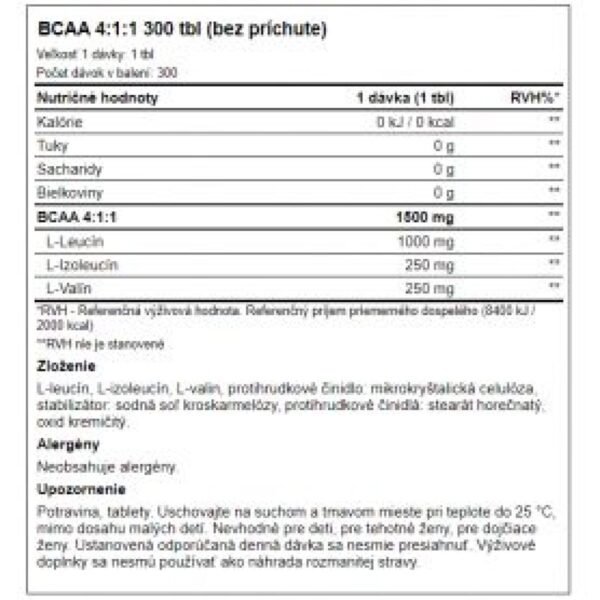
Whey protein already contains roughly twenty five percent BCAAs by weight, alongside the other six essentials. If you drink a protein shake, you have taken a larger dose of BCAAs than most BCAA products provide, plus everything needed to use them. Trials comparing BCAAs against whole protein consistently favour whole protein, and trials in people already eating adequate protein struggle to find any effect from BCAAs at all.
EAA, the version that makes more sense
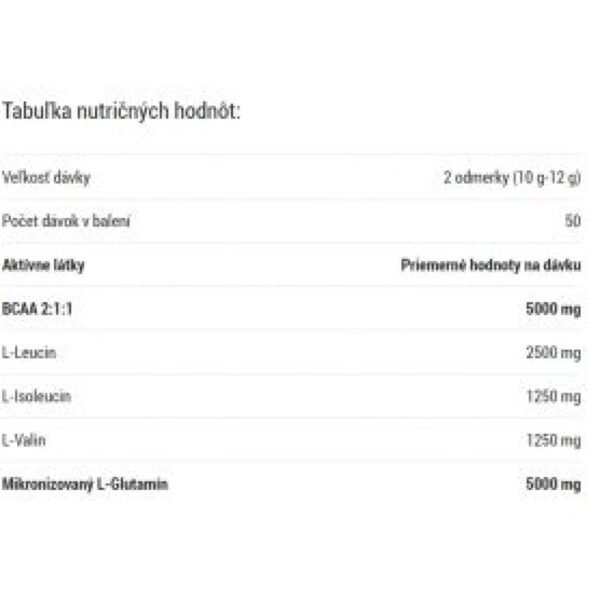
Essential amino acids give you all nine, so the build has both the foreman and the bricks. On the evidence EAA beats BCAA comfortably, and if you are going to buy a free form amino product this is the one to buy.
The honest caveat is that EAA still loses to simply eating protein, for most people, most of the time. Where it earns its place is when whole protein is inconvenient or unwanted, which is a narrower situation than the marketing suggests. Around eight to twelve grams of a well balanced EAA blend is a reasonable serving.
What each one actually does
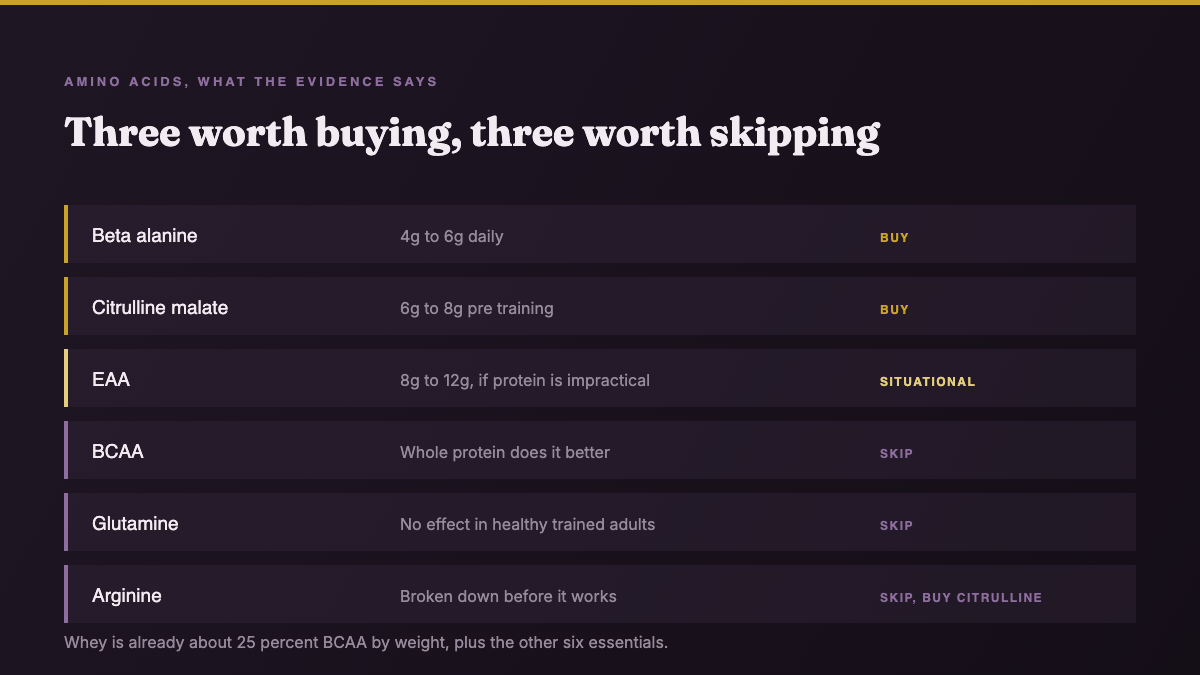
| Supplement | Typical dose | Evidence | Our view |
|---|---|---|---|
| Beta alanine | 4g to 6g daily | Strong | Buy it if you train in the 60 to 240 second effort range. |
| Citrulline malate | 6g to 8g pre training | Moderate | Reasonable for training volume. Dose properly or skip it. |
| EAA | 8g to 12g | Moderate | Only if whole protein is impractical. |
| BCAA | 5g to 10g | Weak once protein is adequate | Skip it. Buy protein or EAA instead. |
| Glutamine | 5g daily | Weak in healthy people | Skip it unless a clinician advised it. |
| Arginine | Various | Poor, low oral bioavailability | Buy citrulline instead. |
| Taurine | 1g to 3g | Mixed, generally mild | Cheap and harmless. Do not expect much. |
That table costs us sales and it stays exactly as it is. It is the same standard we apply in the creatine range, where we say plainly that the cheapest form is the one with the evidence.
Beta alanine, the one that clearly works
Beta alanine is not an essential amino acid and it does nothing for muscle protein synthesis. It raises muscle carnosine, which buffers the acidity that builds during hard efforts. The result is more work before the burn forces you to stop.
The effect is specific to efforts lasting roughly one to four minutes. Think a hard set taken deep, a 400m or 800m, a rowing piece, a long interval. It does nothing measurable for a heavy single, and nothing for a marathon.
Four to six grams a day, every day, is the dose, and it works by accumulation over several weeks rather than acutely. Taking it only before training is a waste. The tingling on your face and hands is paraesthesia, it is harmless, and splitting the dose or using a sustained release form reduces it.
Citrulline against arginine
Both are sold to raise nitric oxide. Arginine is the more famous one and it is the worse buy, because oral arginine is largely broken down in the gut and liver before it reaches circulation. Citrulline bypasses that and actually raises plasma arginine more effectively than arginine does, which is a genuinely odd but well replicated finding.
Six to eight grams of citrulline malate taken about an hour before training is the dose used in the studies showing extra repetitions and reduced soreness. Most pre workout blends contain a fraction of that, which is why people report nothing from products that technically contain the ingredient. Check the dose per serving, not the ingredient list.
Glutamine, and who it is really for
Glutamine is the most abundant amino acid in the body and it has a real clinical evidence base in burns, trauma, and critical illness, where the body cannot make enough. That research is where its reputation came from, and it does not transfer to healthy people who train.
In healthy trained adults eating enough protein, glutamine supplementation has repeatedly failed to improve muscle mass, strength or recovery. The gut health and immune claims are extrapolations from clinical populations. We stock it because people ask for it and the product page says the same thing this paragraph says.
When aminos genuinely help
There are real situations where free form amino acids are the right call. Training fasted, where whole protein would defeat the point or upset your stomach. Long gaps between meals where nothing else is practical. Older adults, where the leucine threshold to trigger synthesis is higher and a leucine rich EAA can help. Vegan diets where hitting the full essential profile is genuinely harder.
If none of those apply to you, the honest answer is that your money does more in the protein range, or in nothing at all. Total daily protein is the variable that moves results, and it is covered in full there.
Why they taste the way they do
Free form amino acids are genuinely bitter, and BCAAs in particular are hydrophobic, which is why unflavoured versions clump on the surface of water and refuse to dissolve. That is chemistry rather than a fault in the product.
The consequence is heavy flavouring and sweetening, and for some people that is the actual source of the stomach trouble they blame on the aminos. If a flavoured product disagrees with you, an unflavoured one stirred into juice is the cleanest test. Powder that clumps is not spoiled, and warm water dissolves it more readily than cold.
The fasted training case, in detail
This is the one scenario where the BCAA industry had a point, and it is worth being precise about it. Training fasted means training with no recent protein intake, so muscle protein breakdown runs higher than usual during the session. A small dose of amino acids blunts that without meaningfully breaking the fast in the way a full meal would.
The catch is that the advantage disappears the moment you eat protein within a few hours either side of the session. Most people who believe they train fasted have in fact eaten protein at some point that morning or will do shortly after, which puts them back in the ordinary situation where total daily intake is the only thing that matters.
If you genuinely train before eating and will not eat for hours afterwards, an EAA blend around the session is defensible. If you eat breakfast, it is not.
Stacking without wasting money
The items on this page do different jobs, so a sensible stack is small. Beta alanine daily for buffering, citrulline before sessions where volume matters, and protein or EAA to cover intake. That is the whole sensible list, and creatine sits alongside it from the creatine range.
What wastes money is buying three products that overlap. A pre workout containing citrulline, a separate citrulline tub and a pump product are one ingredient bought three times, usually with none of them at a working dose. Add the doses across everything you take before assuming you need another product, and note that many pre workouts already contain beta alanine, which is why people who add a separate one sometimes tingle far more than they expected.
How to choose from this range
Work backwards from what you train. If your hard efforts last one to four minutes, beta alanine at four to six grams daily is the best value item on this page. If you want more volume from a session, citrulline malate at six to eight grams. If you train fasted or genuinely cannot get whole protein in, EAA rather than BCAA.
If you are eating enough protein and training normal sets in a normal gym, you can skip this entire category without missing anything, and that is a legitimate outcome of reading this page.
Every product below prints the dose per serving and the servings per pack, so you can check whether a blend actually contains a working dose before you buy. Blends are where underdosing hides, and the arithmetic takes ten seconds. The full shop lists everything, and the guides go deeper on training and recovery.
Common questions
Do BCAAs actually work?
For anyone already eating enough protein, the evidence says they do very little. Building muscle protein needs all nine essential amino acids, and BCAAs supply three. Whole protein or an EAA blend outperforms them in trials.
Is EAA better than BCAA?
Yes, on the evidence. EAA provides all nine essential amino acids rather than three, so it can actually complete muscle protein synthesis rather than only signalling it.
What does beta alanine do?
It raises muscle carnosine, which buffers acidity during hard efforts. The benefit shows up in efforts lasting roughly one to four minutes. Four to six grams daily, taken consistently, is the dose.
Why does beta alanine make me tingle?
That is paraesthesia, a harmless nerve response to a large single dose. Splitting the dose across the day or using a sustained release form reduces it.
Should I take citrulline or arginine?
Citrulline. Oral arginine is largely broken down before it reaches circulation, while citrulline raises plasma arginine more effectively. Use six to eight grams of citrulline malate about an hour before training.
Is glutamine worth taking?
For healthy people who train and eat enough protein, the evidence says no. Its clinical evidence base is in burns, trauma and critical illness, and that does not transfer to healthy adults.
Can I take amino acids on an empty stomach?
Yes, and fasted training is one of the few situations where they make real sense, because whole protein would defeat the purpose of training fasted.
Aminos, women and older trainers
Two groups get a different answer from the general one. Older adults show anabolic resistance, meaning it takes a larger dose of leucine to trigger muscle protein synthesis than it does at twenty five. A leucine rich EAA blend is more defensible after sixty than at any other age, alongside a higher total protein intake rather than instead of it.
For women the guidance is the same as for men, with the same caveat that runs through this whole field, which is that most published trials recruited male participants. Nothing in the mechanism differs. Products marketed specifically at women in this category are usually the same powder in different packaging at a higher price per gram.
Where this comes from
The International Society of Sports Nutrition position stand on protein and exercise covers why whole protein outperforms isolated fractions, and the ISSN position stand on beta alanine sets out the dosing and the effort range where it works.
Food supplements are not a substitute for a varied diet and a healthy lifestyle. Nothing here is medical advice.
Doses on this page are the amounts used in the research. Where a product on this site contains less than a working dose, the product page says so rather than leaving you to work it out.
Read before you buy amino acids and bcaa
We would rather you bought the right thing, or nothing. These guides cover the evidence, the law and the risks in plain terms.
- Are aminos worth itOur honest read on amino supplements, including when they do nothing at all.
- Recovery in contextWhat genuinely drives recovery, and where supplements sit in that order.
- Health contextThe evidence on performance drugs, for anyone weighing up the alternatives.
Every guide is in the Peak Protocol guide library.
Showing 1 to 12 of 28 results
-
Amino Acids and BCAA
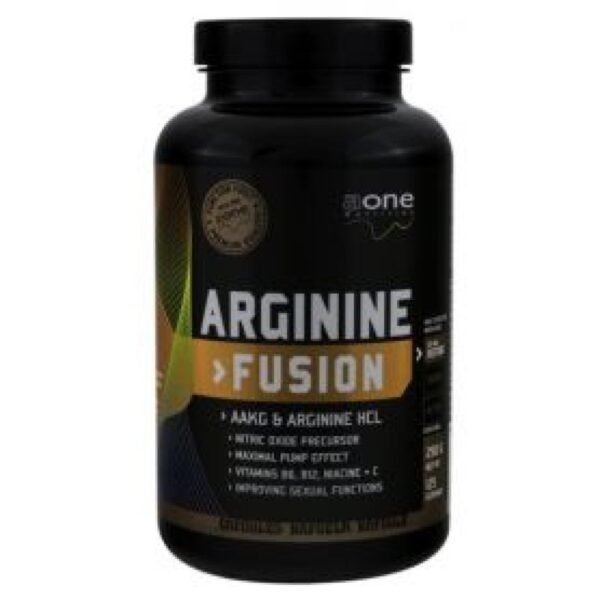
AONE Arginine Fusion
£27.00 Select options This product has multiple variants. The options may be chosen on the product page